Queensland’s Inspector Finds Wacol Unfit for Children, Then Drops Its Call to Close It
On 8 October 2026, Queensland’s Inspector of Detention Services reported that the Wacol Youth Remand Centre, a police watch-house, is no place to hold children. The same report withdraws his draft call to close it, because the Government’s new bail Bill may fill every youth detention bed in the state. His media release omits the second finding.
Download the Inspector’s Wacol report (PDF, 126 pages) Open the report’s page on the Queensland Ombudsman website
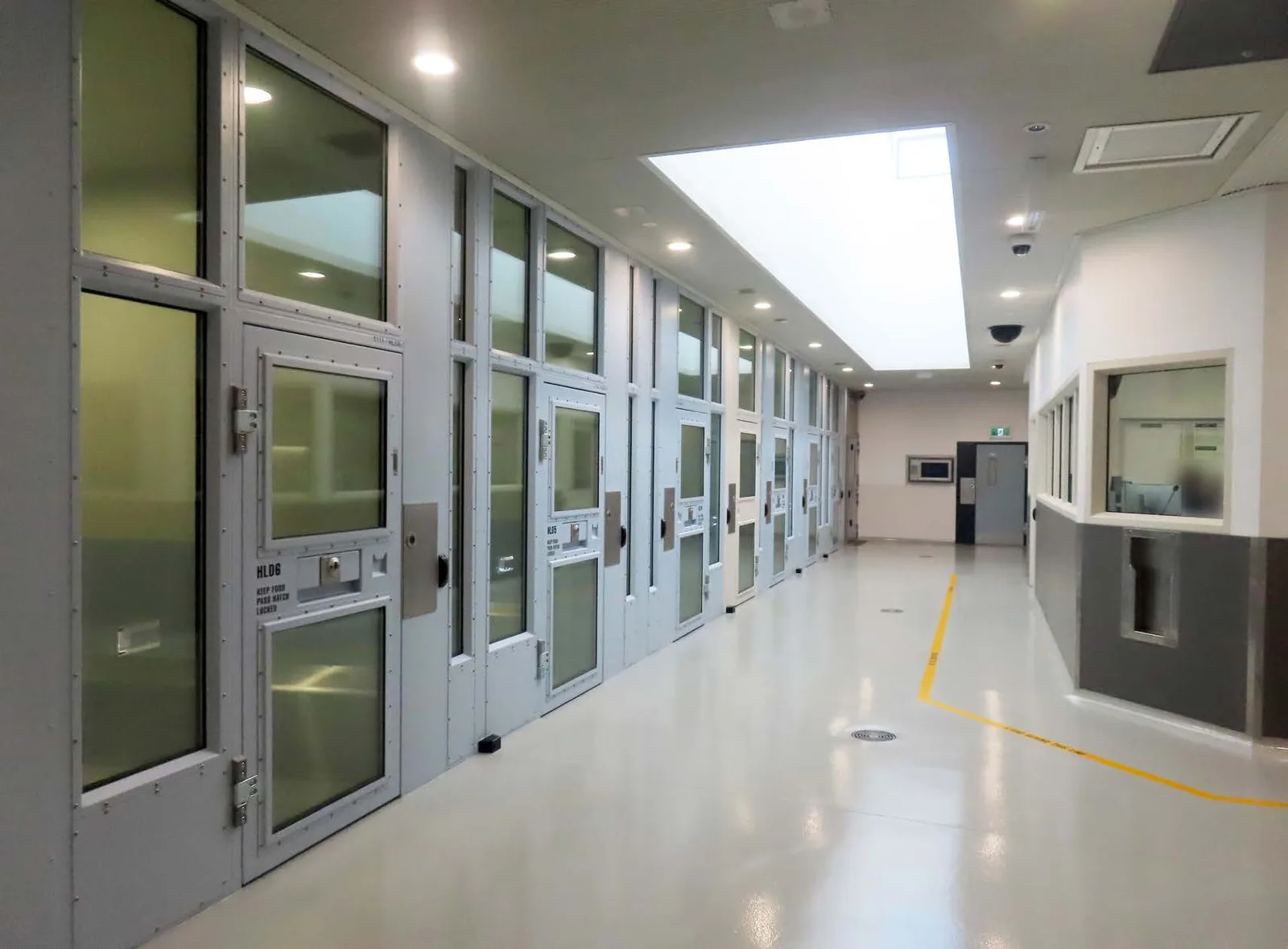
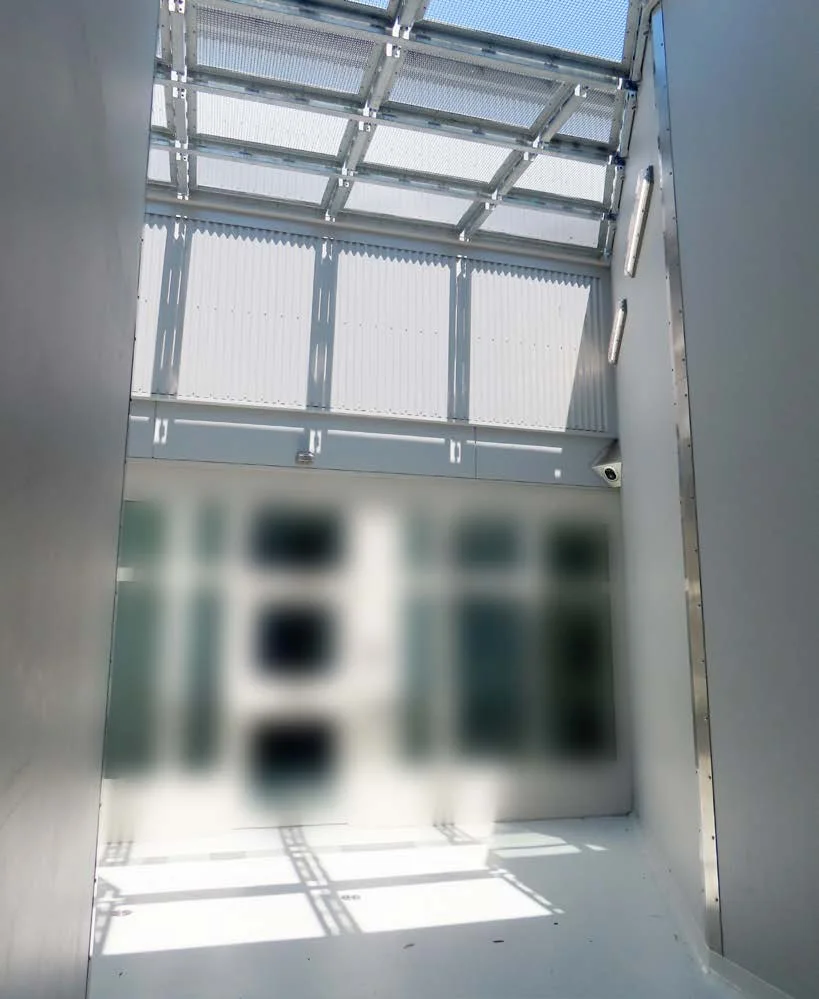
Wacol stands on the land of the Yuggera and Ugarapul peoples, beside the Brisbane and West Moreton youth detention centres. Police designed it to hold people for short periods after arrest. Every surface is hardened concrete or stainless steel. Children there have little space, privacy, fresh air, or natural light, and staff told the Inspector that a child’s mental health usually began to decline after about two weeks.
The Inspector, Queensland Ombudsman Anthony Reilly, found that the centre’s staff give children far better support than a police watch-house can. He also found that those improvements “do not overcome the fundamental problem of detaining children in a centre that was designed and built as a secure watch-house.”
His consultation draft asked the Government to stop using Wacol for children once the new Woodford Youth Detention Centre opens. The final report deletes that request. The reason sits on page 14: the Breach Bail, Go to Jail and Other Legislation Amendment Bill 2026, which the Government introduced on 27 August 2026 and has promised to pass by the end of the year.
What the Inspector Found
76 beds, 48 rooms
Watch-house designThe centre’s capacity, built to police watch-house requirements for short-term detention and designated a youth detention centre in April 2025.
Source Inspector’s report, pages 6 and 9.
1,119 children
April 2025 to March 2026Children who passed through Wacol in its first eleven months. Most left within a week; the average stay was 7.1 days. Seventeen children stayed longer than three weeks, eight of them longer than four.
Source Inspector’s report, pages 10 and 12, Table 1.
49 days
Longest stayThe longest stay, from November 2025 to January 2026, by a child sent back to Wacol from West Moreton Youth Detention Centre as a “risk mitigation and behaviour support strategy.”
Source Inspector’s report, page 12.
27 transfers back
20 childrenThe department sent 20 children back to Wacol from the centres holding them; three went back twice and two went back three times. The Inspector calls Wacol “a secure behaviour support unit by proxy” for children with complex needs.
Source Inspector’s report, pages 44, 45 and 98.
704 strip searches
Every admissionEvery one of the 704 children admitted before body scanners began operating on 24 November 2025 underwent a partially clothed search. Most records named no specific risk to justify it.
Source Inspector’s report, page 81.
32, then 54
Children a dayThe average number of children held at Wacol each day: 32 across the year to 30 June 2026, then 52 in July and 54 in August 2026.
Source Inspector’s report, page 14.
Why the Inspector Now Wants Wacol Kept Open
The Inspector sent his consultation draft to the Government on 1 June 2026. It asked that Wacol cease to operate as a youth detention centre once Woodford opens. On 27 August 2026 the Government introduced its bail Bill. Its own Statement of Compatibility under the Human Rights Act 2019 anticipates that the Bill will increase the number of children and adults held on remand in youth detention centres and police watch-houses, and that it may engage the right to protection from cruel, inhuman or degrading treatment.
The Inspector drew the consequence:
In the year ahead, it may be the case that the impacts of the above reforms are such that the existing 3 YDCs and the new Woodford YDC do not have sufficient capacity to accommodate the number of children that our criminal justice system requires to be detained. As a consequence, it is possible that children will need to be detained in large numbers and for lengthy periods in watch-houses.
He therefore withdrew the closure recommendation. “While we do not consider the centre to be a suitable facility for the detention of children,” the report concludes, “we consider it to be more suitable than detention in police watch-houses.”
The department’s own figures show what Wacol replaced. In July 2024, children spent an average of 12.5 days in police watch-houses; in July 2025, after Wacol opened, the average fell to 2.4 days. The longest watch-house stay fell from 27 days to 7. A Bill that fills every bed would send children back to the cells those figures describe.
The Inspector has begun a second inspection of Wacol and will report in 2027, when the Bill’s effect on detention numbers will be clearer.
My bail Bill evidence brief sets out what the Government’s own papers concede about the Bill.
First Nations Children Will Bear the Weight
On an average day in 2024–25, 192 of the young people aged 10 to 17 in Queensland detention were First Nations: 71 per cent, at 27 times the rate of non-Indigenous young people. The Australian Institute of Health and Welfare reports both figures.
At Wacol, First Nations children made up between 40 and 80 per cent of the children held from April to October 2025. Nearly every child sent from north of Rockhampton is Aboriginal or Torres Strait Islander, hundreds of kilometres from family and Country. By the time of the inspection, the local Elder group had visited once, for a NAIDOC event, and no Elder group from the north had visited.
Any law that fills detention beds will fall hardest on these children. The Inspector’s capacity warning remains a forecast, and no government modelling yet counts its effect by First Nations status. The detention figures already published leave little doubt about whom it will reach first.
How the Government Answered
The department accepted seven of the Inspector’s 13 recommendations and accepted the other six in principle. It accepted in principle the call to keep children at Wacol “for as short a time as possible.” It also accepted in principle the call for a senior executive director to approve every transfer back to Wacol, while pointing to a new framework that escalates a decision to that officer only when centre heads disagree or a child has spent more than 14 days under it.
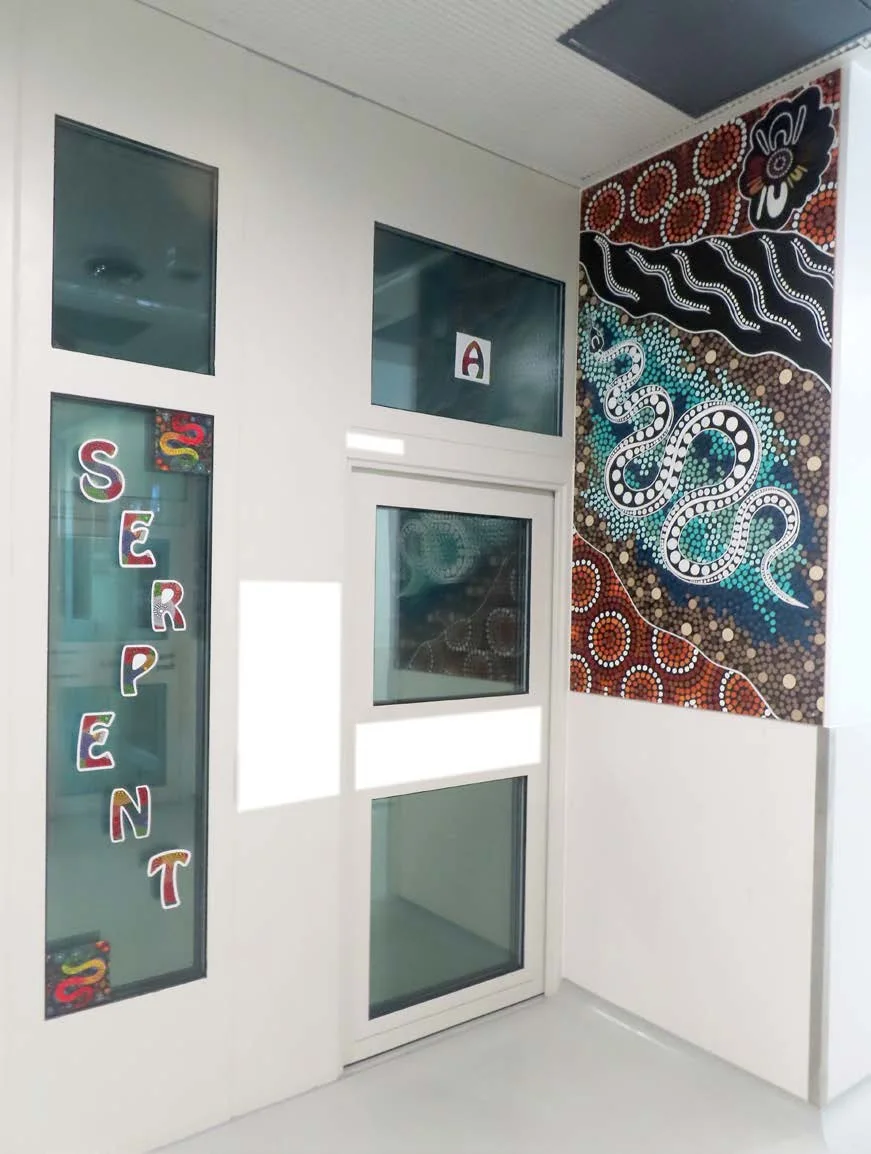
On the building itself, the department wrote that Wacol “operates within a QPS-owned facility” and that “large-scale or structural upgrades are not feasible.” It offered murals, soft furnishings, a classroom, and plans for children to paint blackboard panels in their pods.
Questions to Put to Your Member of Parliament
- How many more children, by First Nations status and region, does the Government expect the bail Bill to hold on remand, and when will it publish that modelling?
- How many children does the Government expect police watch-houses to hold once Woodford opens and the Bill takes effect?
- What maximum stay will apply at Wacol, and who outside the department will review each transfer back to it?
- When will Wacol close, and what will replace it?
- What funding will First Nations-led bail support and diversion receive, at a scale able to reduce the number of children held on remand?
Find your Queensland state member See the First Nations organisations to back
The Sources Behind the Figures
Inspector of Detention Services
8 October 2026Wacol Youth Remand Centre inspection report, October 2026, tabled in the Queensland Parliament by the Speaker on 8 October 2026. I reproduce it here unaltered under its Creative Commons licence (CC BY-NC-ND 4.0).
Queensland Ombudsman
8 October 2026Media release, “Inspector releases Wacol Youth Remand Centre inspection report.” It reports the centre’s conditions and makes no mention of the bail Bill or the withdrawn recommendation.
Queensland Legislation
Bill as introducedBreach Bail, Go to Jail and Other Legislation Amendment Bill 2026. The Inspector’s report gives its name as “Other Acts”; the Bill’s title reads “Other Legislation.”
ABC News
27 August 2026The Bill’s introduction, its mandatory minimum of 12 months for a serious offence committed on bail, and the Government’s promise to pass it by the end of 2026.
Youth justice in Australia 2024–25, Queensland overview: First Nations detention numbers and rates.